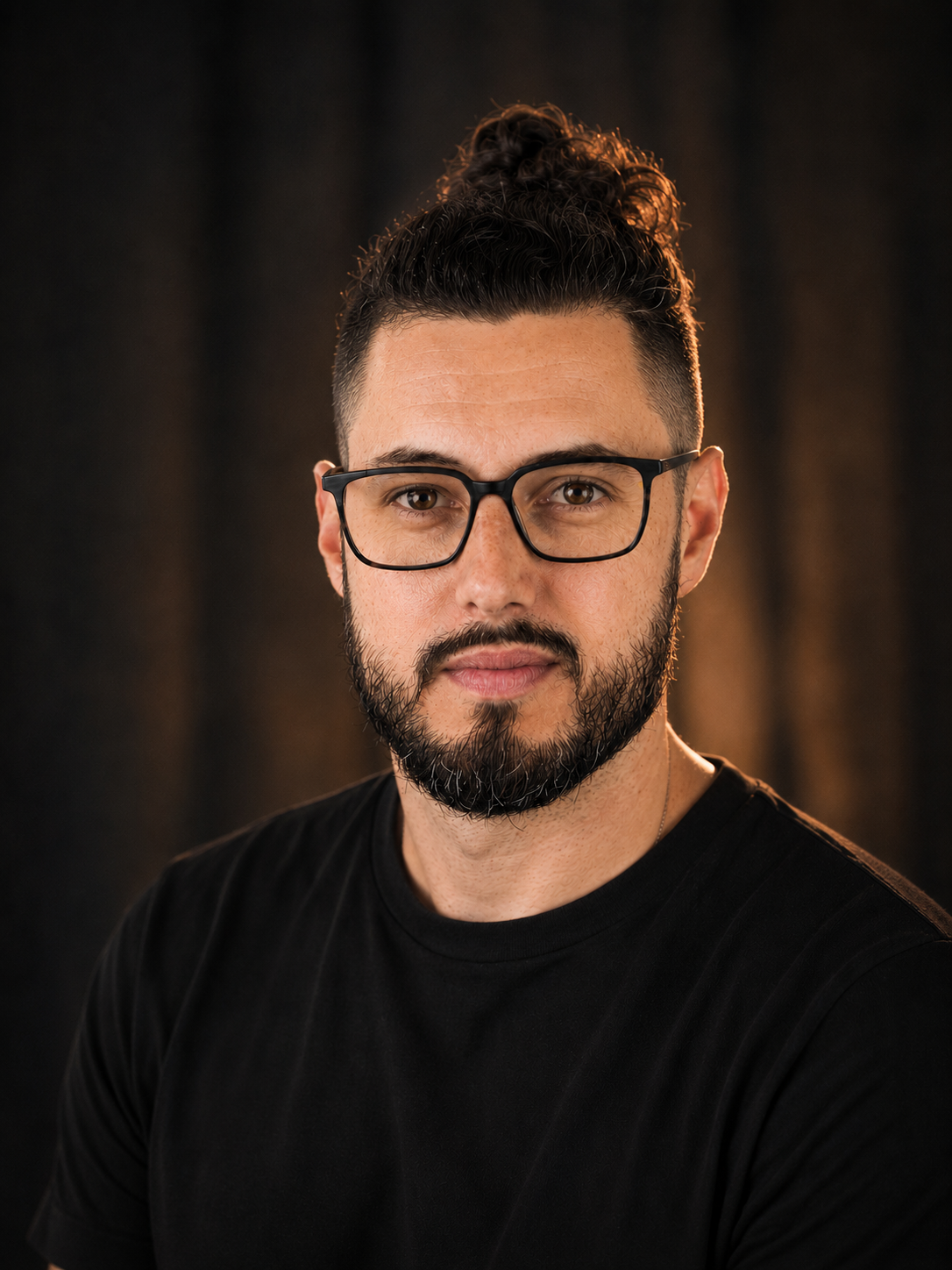
Hi, I'm Matias
With over six years across FanDuel, News UK, and Nutmeg, I work at the intersection of product design and design infrastructure. I've come to think the two are the same practice viewed from different altitudes.
Systems work gives you a strategic lens on how design decisions compound. Product work keeps you honest about what those decisions actually feel like for users. The combination means staying close enough to the details to get them right, while understanding which details matter in the first place.
I came to design through computer science rather than the other way around. My journey came full circle when I moved from creative marketing and art direction into digital products. I bring visual craft, systems logic, and engineering fluency. Constraints have never been someone else's problem.
I grew up across Argentina, Brazil, and the UK — Spanish, Portuguese, English... sometimes all three in the same week. That kind of fluency across cultures and languages shapes how I work with distributed teams, how I communicate across disciplines, and how I approach collaboration that doesn't happen in the same room.

My Career
Today, I lead the Formation Design System at FanDuel, splitting my time between hands-on design work and system leadership. That means shaping strategy and governance, but also working inside product squads, raising the quality bar through the work I produce, and shipping things that reach real users.
Before that, at News UK, I helped build NewsKit, one of the more recognised multi-brand design systems in UK media. At Nutmeg, I was the dedicated mobile designer through a period of rapid growth, where I designed new investment journeys from concept to launch and laid the foundations for dark mode across iOS and Android.
How I work
My strongest contribution tends to happen at the seams: where design meets engineering, where systems meet product teams, and where strategy needs to become something people can actually build from.
I've designed operating models that changed how teams collaborate with design systems. I've embedded within product squads to close the gap between what a system offers and what teams actually need. And I've helped shape architectural decisions, making sure design had a voice in the room.
That's not a specialism. It's where design systems succeed or fail.
How I lead
I lead by example. The person in front sets the standard, not the rulebook.
That lesson predates my design career. I spent years captaining American football teams, and the principle turned out to be just as relevant in product organisations. I don't micromanage. I give people space, support them when they're stuck, and fight for them when it matters.
I care deeply about design quality, but culture is what sustains it. Through critiques, communities of practice, onboarding, and the small everyday conversations that shape expectations, I try to raise the bar around me.
What I'm most proud of professionally has nothing to do with components. It's the people I've helped along the way.
How I’m thinking forward
My work is shaped by a forward-looking vision: AI-native design systems as infrastructure.
We're moving beyond component libraries that only serve humans. The next generation of design systems needs to support both people and machines. That means structured metadata that can be consumed programmatically, Model Context Protocol (MCP) infrastructure that allows AI tools to interact directly with design systems, documentation designed for LLM consumption, and prototyping tool integrations that scale without becoming a maintenance burden.
We're moving beyond component libraries that only serve humans. The next generation of design systems needs to support both people and machines. That means structured metadata that can be consumed programmatically, Model Context Protocol (MCP) infrastructure that allows AI tools to interact directly with design systems, documentation designed for LLM consumption, and prototyping tool integrations that scale without becoming a maintenance burden.
The opportunity isn't just to make designers more efficient. It's to create systems where design intent can move further, faster, and with less degradation as it passes between teams, tools, and increasingly, intelligent agents.
I'm actively building toward this. Not just thinking about it.
I'm exploring how agentic prototyping tools fit into the design workflow, how design systems can become reliable infrastructure for AI-assisted product development, and how design intent scales across large engineering organisations without being diluted.
The design systems that succeed over the next decade won't just organise components. They'll become the connective tissue between people, products, and the tools helping us build them.

If you're curious about my design taste and previous career
in graphic design and art direction, check out my selected projects.
in graphic design and art direction, check out my selected projects.

Get in touch
I'm always up for a conversation about design systems, product craft, or what good design infrastructure actually looks like in practice. If you're building something great and thinking about how it scales, let's talk.
Thank you for your message. I'll get back to you as soon =)